
Recent Post
Needle Nerves? The Mobile Phlebotomy Solution for Fear, Frailty, and Difficult Veins
Stop Overspending: How Per Diem Allied Health Staffing Cuts Lab Costs by 30%
What Are Healthcare Staffing Solutions & How They Benefit Clinics, Laboratories, and Companies
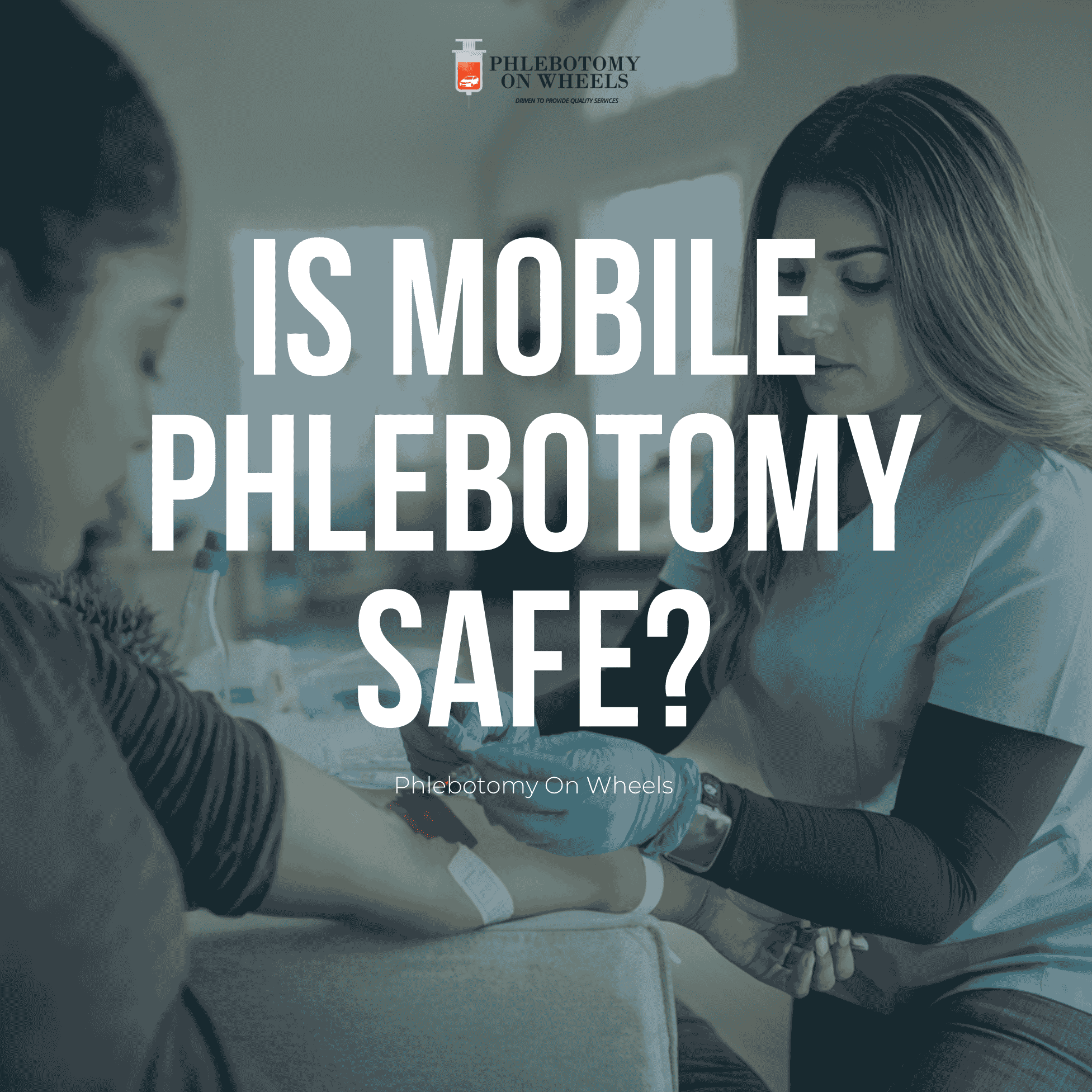
Is Mobile Phlebotomy Safe? Everything You Need to Know About At-Home Blood Collection
Mobile phlebotomy is rapidly transforming how patients access essential blood testing, offering a convenient alternative to traditional clinics and laboratories. As more people choose at-home healthcare services, a critical question arises: is mobile phlebotomy safe?
From elderly patients and individuals with chronic conditions to busy professionals and post-operative patients, mobile phlebotomy is becoming a preferred solution. However, safety, accuracy, and medical compliance remain top concerns for patients and providers alike.
In this article, we break down the safety standards, medical protocols, and real-world practices behind mobile phlebotomy services. You’ll learn how blood collection at home works, how it compares to lab visits, and what makes a mobile phlebotomy service medically reliable.
What Is Mobile Phlebotomy?
Mobile phlebotomy is a professional healthcare service where a licensed phlebotomist travels to a patient’s home, workplace, or care facility to collect blood samples.
How Mobile Phlebotomy Works?
A trained phlebotomist arrives at the scheduled location
-
Blood is collected using sterile, single-use equipment
-
Samples are properly labeled and documented
-
Specimens are transported to CLIA-certified laboratories for testing
A trained phlebotomist arrives at the scheduled location
Blood is collected using sterile, single-use equipment
Samples are properly labeled and documented
Specimens are transported to CLIA-certified laboratories for testing
The testing itself is not done at home, only the collection is. The analysis happens in accredited labs, ensuring accuracy and compliance.
Is Mobile Phlebotomy Safe for Medical Testing?
Yes, mobile phlebotomy is safe when performed by certified professionals following medical protocols. Mobile phlebotomy services operate under the same standards used in hospitals, diagnostic labs, and outpatient clinics.
Medical Safety Standards Followed
Licensed and trained phlebotomists
-
Strict infection control procedures
-
Single-use sterile needles and supplies
-
HIPAA-compliant patient data handling
-
Secure specimen labeling and tracking
These protocols ensure patient safety and test integrity at every stage.
Key Safety Benefits of Mobile Phlebotomy
1. Reduced Exposure to Infections
Unlike clinics and hospitals, mobile phlebotomy:
-
Eliminates crowded waiting rooms
-
Reduces contact with sick patients
-
Is safer for immunocompromised individuals
2. Professional Handling of Difficult Veins
Mobile phlebotomists are trained to work with:
-
Elderly patients
-
Dehydrated individuals
-
Patients with fragile or hard-to-find veins
This reduces repeat needle sticks and discomfort.
3. Proper Specimen Transport & Accuracy
Blood samples are:
-
Stored under required temperature conditions
-
Transported quickly to certified labs
-
Logged through chain-of-custody systems
Test accuracy remains identical to lab-drawn samples.
Is Mobile Phlebotomy as Accurate as Lab Visits?
Yes. The accuracy of blood tests depends on the laboratory, not where the blood is drawn.
As long as:
-
The blood is collected correctly
-
The sample is transported properly
-
The lab is certified
The results are just as reliable as hospital or clinic testing.
Who Should Consider Mobile Phlebotomy?
Mobile phlebotomy is ideal for:
-
Seniors and elderly patients
-
Individuals with chronic illnesses
-
Post-surgical or mobility-restricted patients
-
Patients with needle anxiety
-
Busy professionals needing flexible scheduling
For many patients, it improves compliance, meaning tests are completed on time instead of delayed or skipped.
When Mobile Phlebotomy May Not Be Suitable
Mobile phlebotomy may not be recommended for:
-
Emergency blood testing
-
Patients needing immediate medical intervention
-
Complex hospital-only procedures
In such cases, hospital-based care is the appropriate option.
How to Choose a Safe Mobile Phlebotomy Service
Before booking, ensure the provider:
-
Employs licensed phlebotomists
-
Works with CLIA-certified laboratories
-
Follows HIPAA regulations
-
Uses sterile, single-use equipment
-
Has clear sample handling protocols
A reputable mobile phlebotomy provider will openly explain their safety standards.
Final Verdict: Is Mobile Phlebotomy Safe?
Mobile phlebotomy is a safe, accurate, and medically accepted solution for blood collection when delivered by qualified professionals.
It combines convenience with clinical-grade safety, making it an excellent option for patients who value comfort without compromising care quality. As healthcare continues to move toward patient-centric solutions, mobile phlebotomy is no longer an alternative, it’s a trusted extension of modern diagnostic services.
The blood is collected correctly
The sample is transported properly
The lab is certified
Seniors and elderly patients
Individuals with chronic illnesses
Post-surgical or mobility-restricted patients
Patients with needle anxiety
Busy professionals needing flexible scheduling
Emergency blood testing
Patients needing immediate medical intervention
Complex hospital-only procedures
Employs licensed phlebotomists
Works with CLIA-certified laboratories
Follows HIPAA regulations
Uses sterile, single-use equipment
Has clear sample handling protocols